
Sydney, the largest city in Australia, is a major global hub for business, tourism, and culture. Whether you’re planning a virtual meeting, a phone call, or a trip to Australia, knowing the current time in Sydney is essential. Due to its location in the Southern Hemisphere and the use of daylight saving time, Sydney’s time can differ significantly from other parts of the world. This article explores Sydney’s time zone, how daylight saving works, and tips for travelers and remote workers.
Sydney’s Time Zone
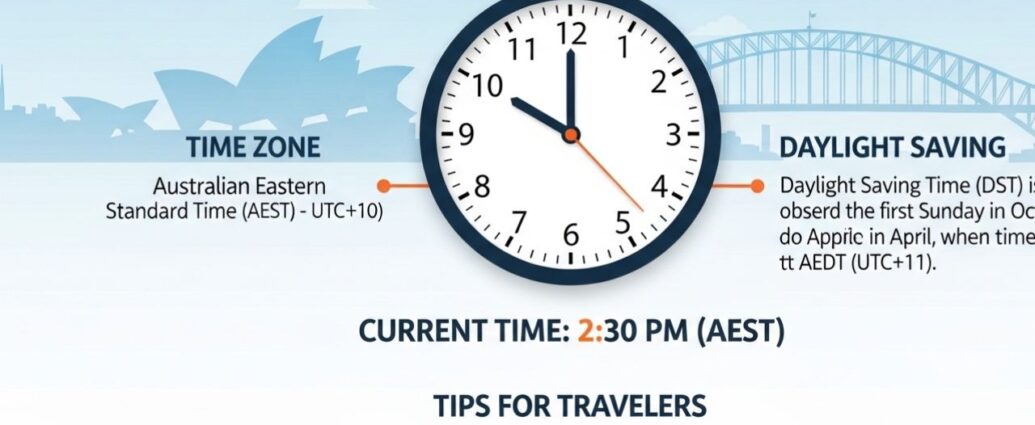
Sydney operates under Australian Eastern Standard Time (AEST), which is UTC +10:00. During daylight saving months, Sydney shifts to Australian Eastern Daylight Time (AEDT), which is UTC +11:00.
Key Facts About Sydney’s Time Zone:
-
Standard Time: AEST (UTC +10)
-
Daylight Saving Time: AEDT (UTC +11)
-
Daylight Saving Period: Begins on the first Sunday in October and ends on the first Sunday in April.
This adjustment ensures longer evening daylight during the warmer months, which is particularly beneficial for tourism and outdoor activities.
How Daylight Saving Time Works in Sydney
Daylight saving time in Sydney involves moving the clocks forward by one hour in October and back by one hour in April.
-
Start of DST (Spring): Clocks move forward one hour at 2:00 AM AEST → 3:00 AM AEDT
-
End of DST (Autumn): Clocks move back one hour at 3:00 AM AEDT → 2:00 AM AEST
This system affects scheduling for businesses, flights, and international communications, making it crucial to check the current time in Sydney before planning.
Sydney Time Compared to Major Cities
Understanding the time difference between Sydney and other major cities is essential for international travelers and remote workers:
| City | Standard Time Difference | Notes |
|---|---|---|
| New York | +14 hours (AEST) | 15 hours during Sydney DST |
| London | +10 hours (AEST) | 11 hours during Sydney DST |
| Los Angeles | +17 hours (AEST) | 18 hours during Sydney DST |
| Tokyo | +1 hour (AEST) | 0 hours during Sydney DST |
| Singapore | +2 hours (AEST) | 1 hour during Sydney DST |
Always confirm the current time before scheduling calls or online meetings.
How to Check the Current Time in Sydney
There are multiple ways to check Sydney time:
-
World Clock Websites: Platforms like provide live updates.
-
Smartphones & Computers: Both iOS and Android devices allow adding Sydney to your world clock.
-
Virtual Assistants: Ask Google Assistant, Siri, or Alexa: “What time is it in Sydney?”
-
Mobile Apps: Many apps track global time zones and provide DST alerts.
Checking the current time is especially useful for travelers, remote employees, or anyone communicating across time zones.
Tips for International Travelers
-
Plan Flights with Time Differences in Mind: Sydney is ahead of most Western countries. Adjust your schedule for jet lag.
-
Consider Daylight Saving: If traveling between October and April, remember Sydney is on AEDT.
-
Schedule Calls Carefully: When booking meetings with people in other countries, calculate time differences accurately.
-
Use Time Zone Apps: Apps like World Clock or Time Buddy can help manage multiple time zones.
-
Adapt to Local Routine: Sydney operates on a 9:00 AM–5:00 PM business day, similar to many Western cities.
Sydney and Global Events
Sydney’s time zone also affects global events such as:
-
New Year Celebrations: Sydney is one of the first major cities to welcome the New Year due to its time zone.
-
Sports Events: International viewers must account for time differences to watch events like the Australian Open or Sydney Marathon.
-
Business Conferences: Many global businesses schedule online webinars or meetings according to Sydney time for Asia-Pacific clients.
Fun Fact About
Sydney is located on the east coast of Australia, making it one of the first major cities to greet the morning sun in the Southern Hemisphere. This early sunrise makes it a popular destination for tourists who want to enjoy daylight activities, from the Sydney Opera House tours to beach visits.
Conclusion
Knowing the ti me in Sy dney is essential for travelers, remote workers, and anyone communicating internationally. Sy dney follows AEST (UTC +10) and observes daylight saving time (AEDT, UTC +11) between October and April. By checking t ime differences, planning ahead, and using digital tools, you can ensure smooth scheduling, reduce jet lag, and enjoy everything Sy dney has to offer.
Whether you’re planning a video conference, booking flights, or visiting the city, understanding Sydney’s time zone and daylight saving practices is the first step toward a seamless experience.